SUGAM
Trading Solutions
Trading Solutions

Advanced engineering and high-visibility solutions designed to protect lives and optimize transportation infrastructure across the nation.
We are committed to making roadways safer for all. Our Retro-Reflective Sign Boards are designed to improve visibility and communication on the road, especially during low-light conditions and at night. These sign boards play a crucial role in guiding drivers, alerting them to potential hazards, and promoting overall road safety.


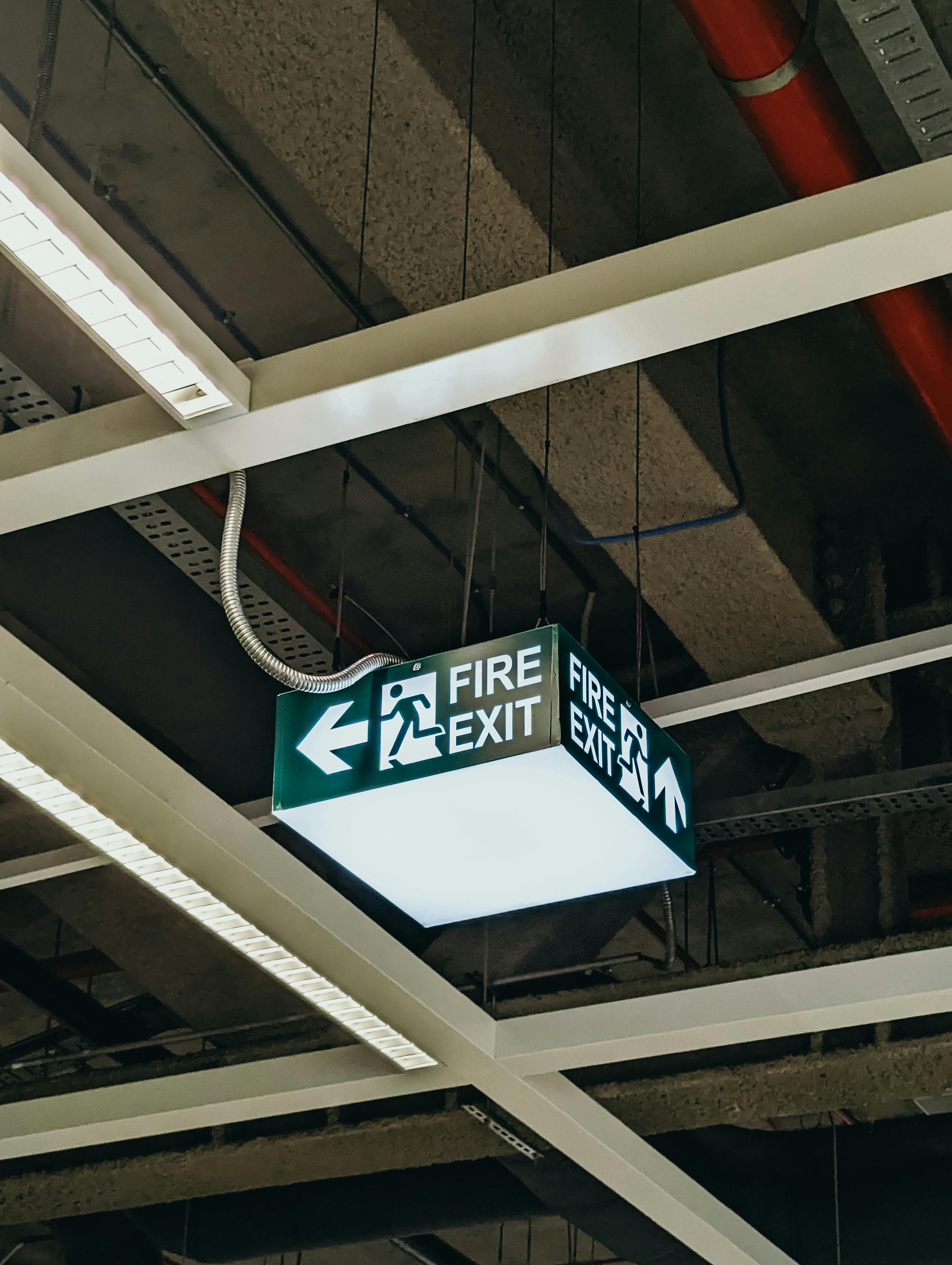
Use our Retro-Reflective Sign Boards to communicate speed limits, stop signs, yield signs, and other traffic regulations, helping drivers navigate roads safely and efficiently.
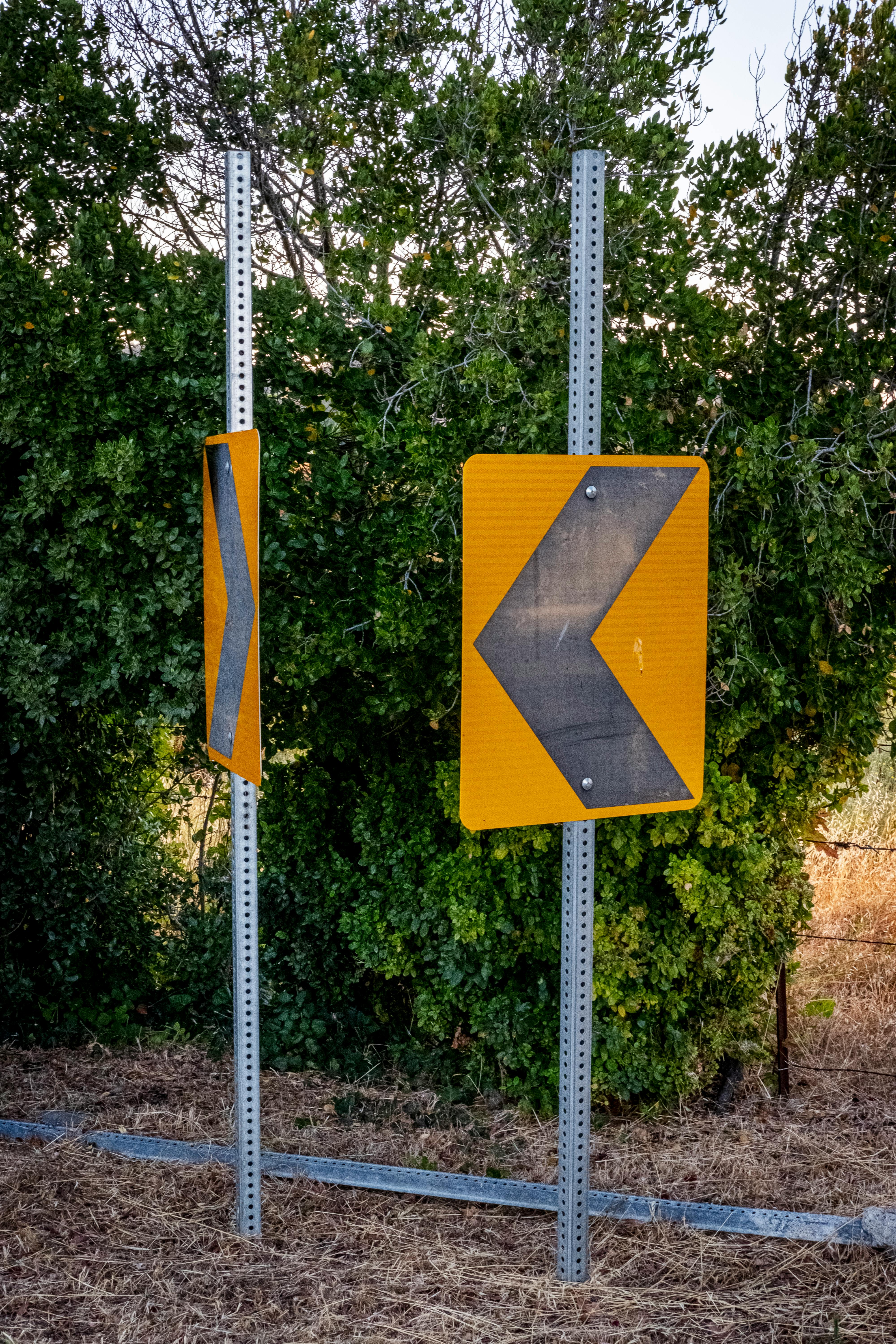
Alert drivers to potential hazards such as curves, intersections, pedestrian crossings, and construction zones. Our sign boards enhance driver awareness and reduce the risk of accidents.
Guide drivers to their destinations with clear directional signage. These signs are essential for ensuring smooth traffic flow and preventing confusion.
Provide essential information to drivers, such as parking instructions, distances to landmarks, and service information. Well-placed informational signs contribute to a better driving experience.
Use Retro-Reflective Sign Boards to mark pedestrian crosswalks, school zones, and other areas where pedestrian safety is a concern, helping reduce accidents involving pedestrians.
We offer a comprehensive range of road marking applications, each designed to enhance road safety, regulate traffic flow, and contribute to efficient transportation systems. Our commitment to quality, durability, and innovation makes us a trusted partner in the field of road markings. Our road marking applications are designed to meet industry standards and regulations, ensuring that road users receive clear and reliable information to navigate roads safely.

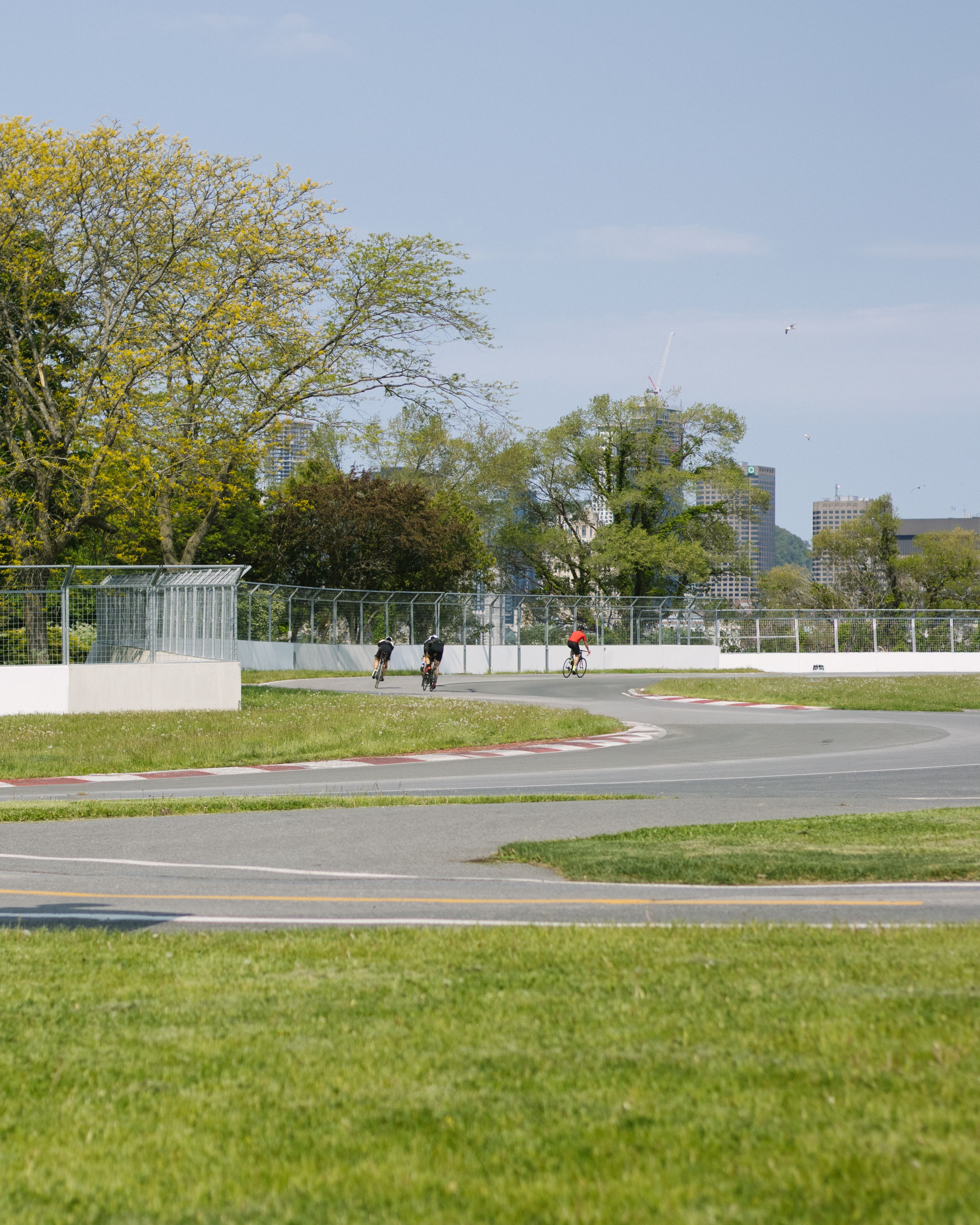
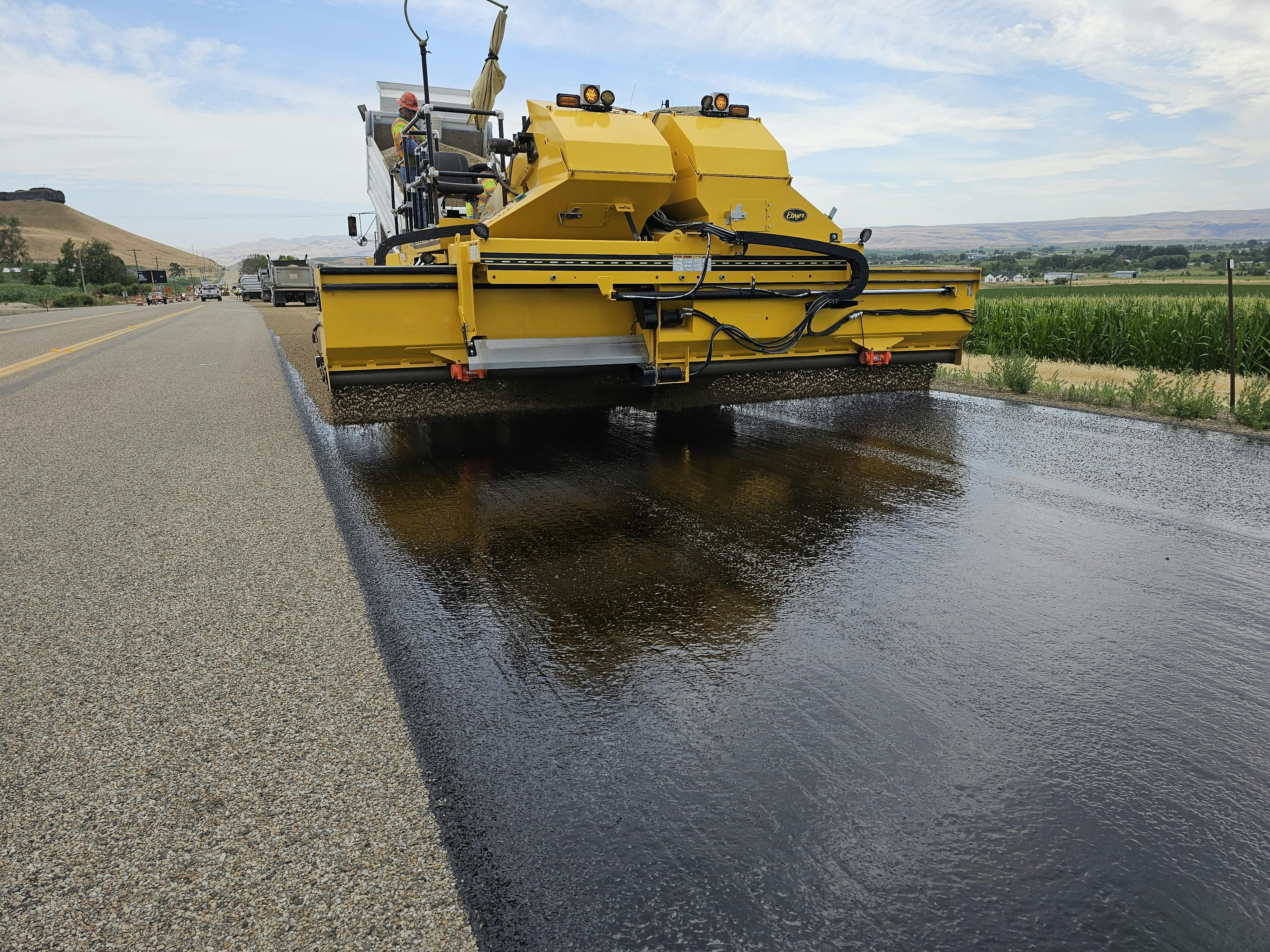
Lane markings, speed limits, and directional arrows are applied to guide drivers safely on high-speed roadways.
Lane markings, crosswalks, pedestrian symbols, stop lines, and bicycle lanes are used in city and town settings to regulate traffic and ensure pedestrian safety.
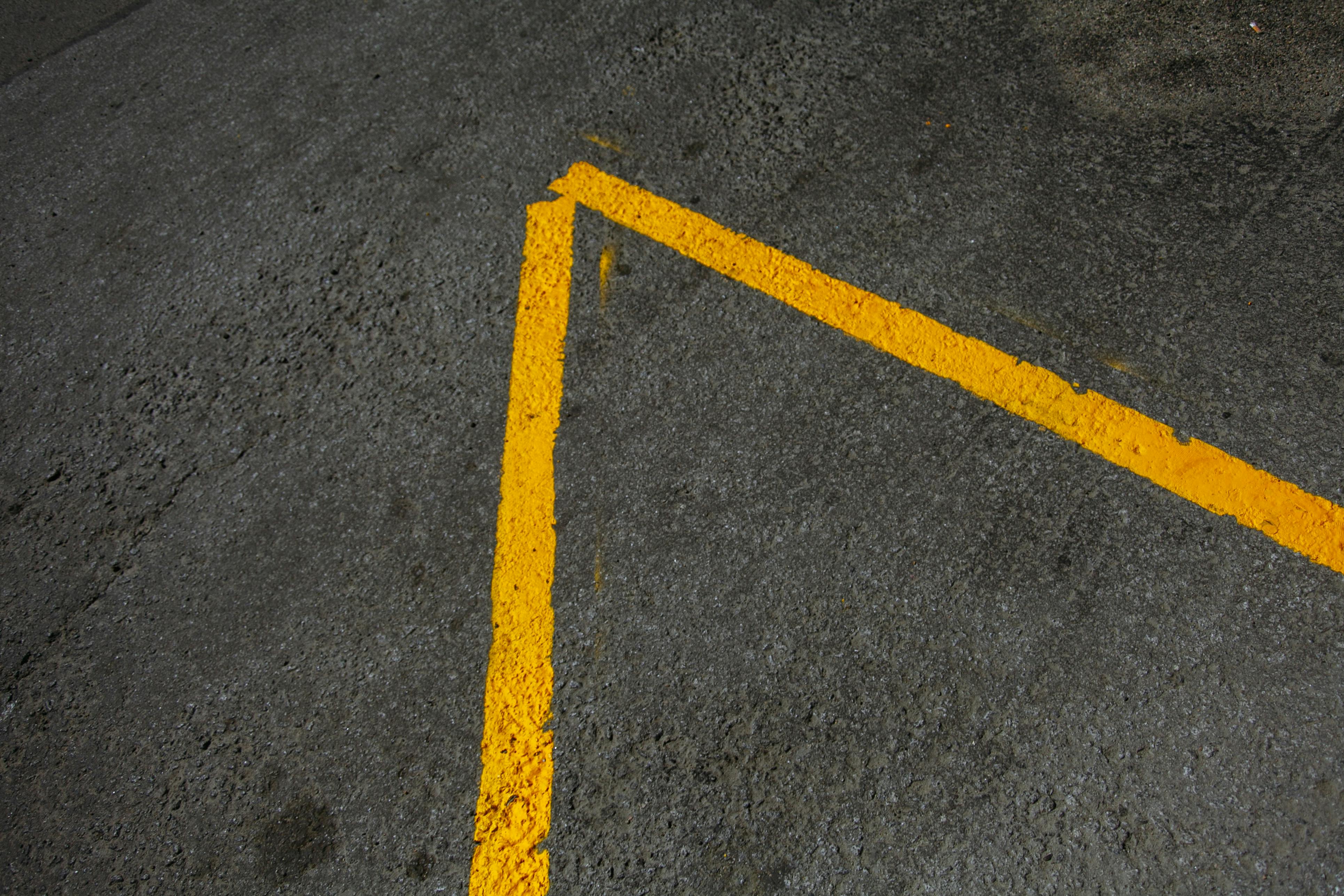
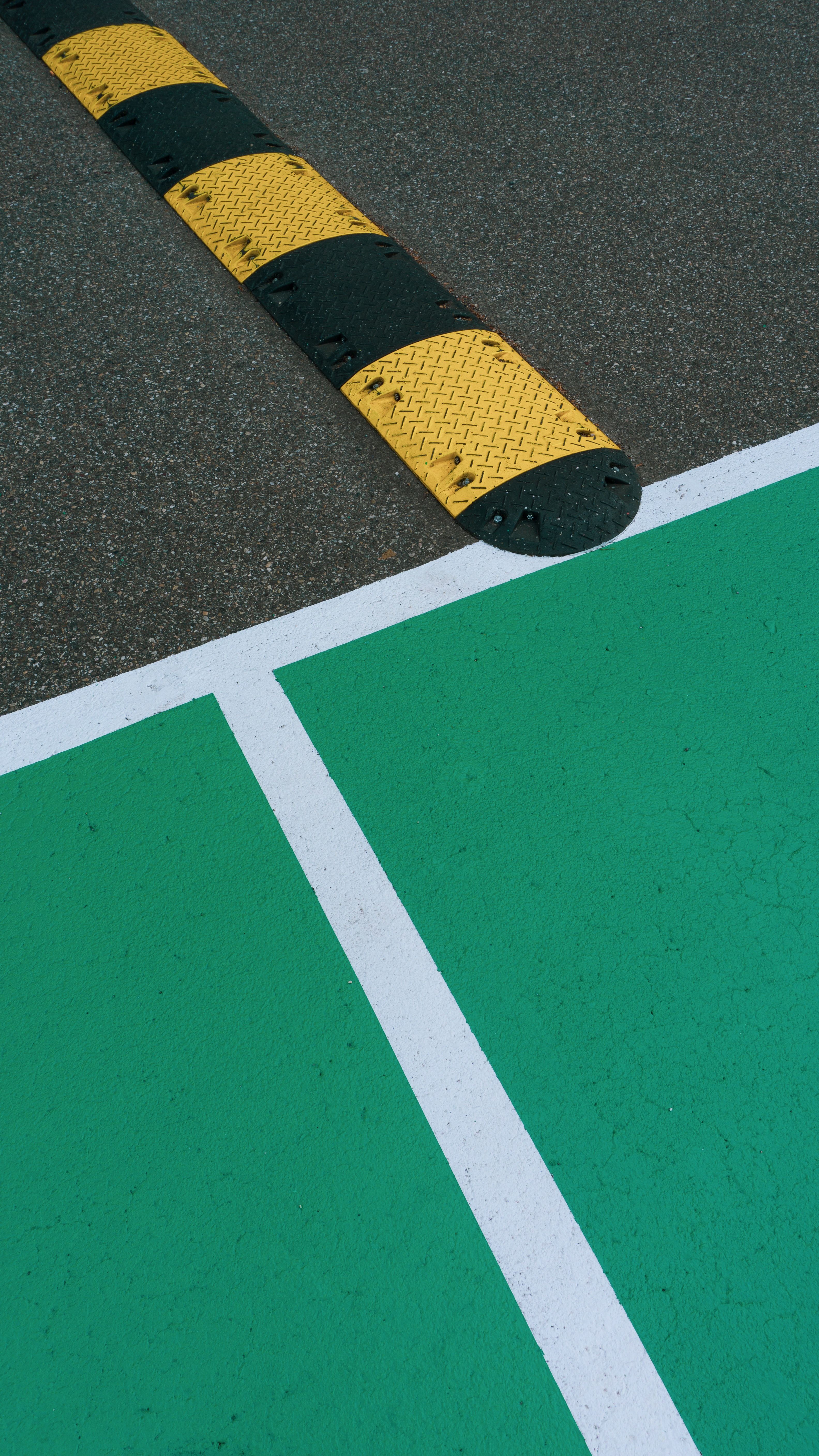
Parking lot markings indicate parking spaces, traffic flow, pedestrian walkways, and loading zones within parking facilities.
Airports use markings to guide aircraft on runways, taxiways, and aprons for safe takeoff, landing, and ground operations.
We take road safety seriously. Our W-Beam Guardrails are engineered to provide a crucial layer of protection on highways, roads, and bridges. These guardrails are meticulously designed to redirect or contain errant vehicles, reduce the severity of collisions, and ultimately save lives.

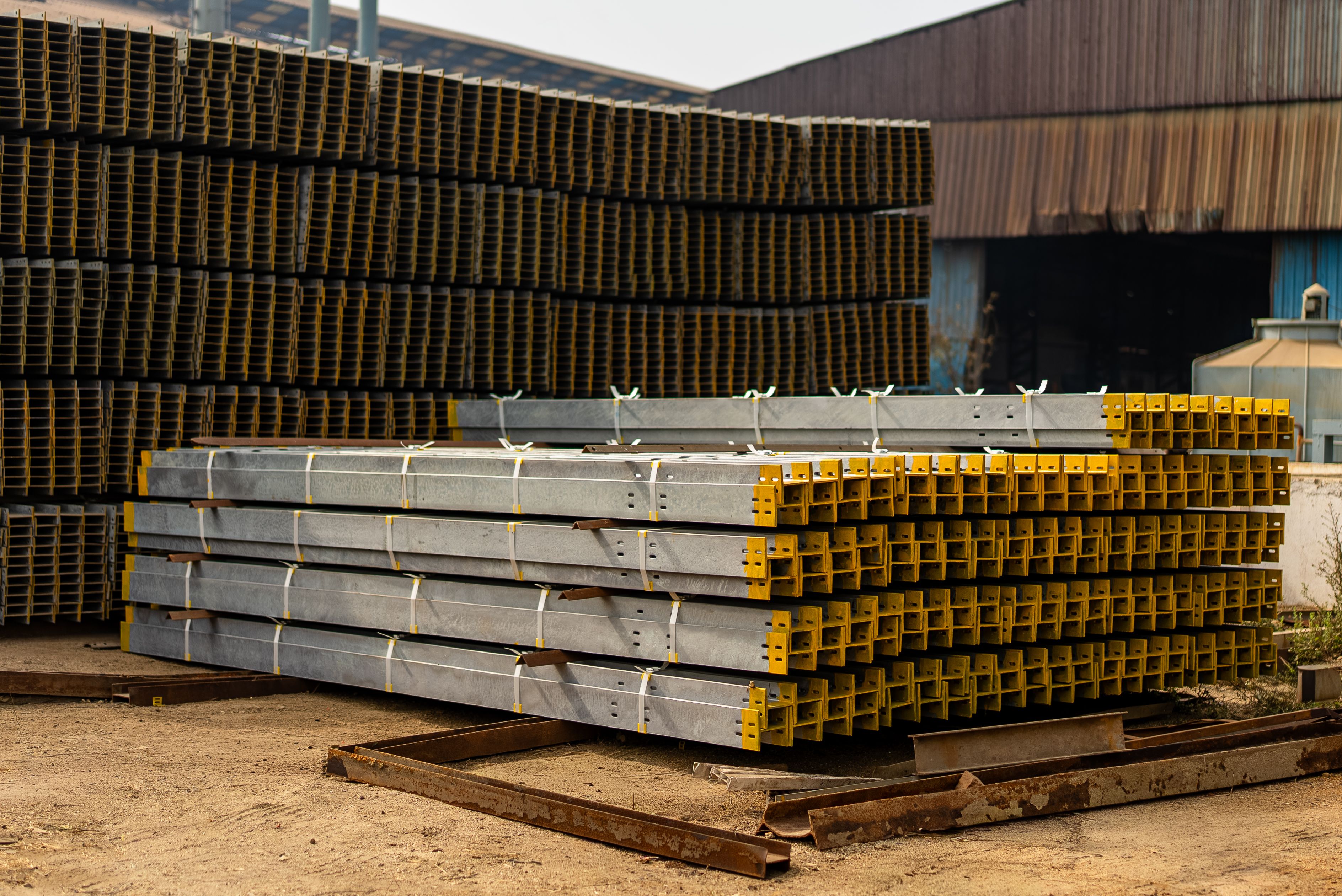
W-Beam Guardrails are commonly used as roadside barriers along highways, preventing vehicles from leaving the road and colliding with terrain or obstacles.
In divided highways and expressways, these guardrails act as median barriers, reducing the risk of head-on collisions by preventing vehicles from crossing into oncoming traffic.
On bridges and overpasses, W-Beam Guardrails provide additional safety by keeping vehicles on the bridge structure and preventing them from falling off.
In construction and work zones, these guardrails protect workers and motorists by creating a safe separation between ongoing roadwork and passing traffic.
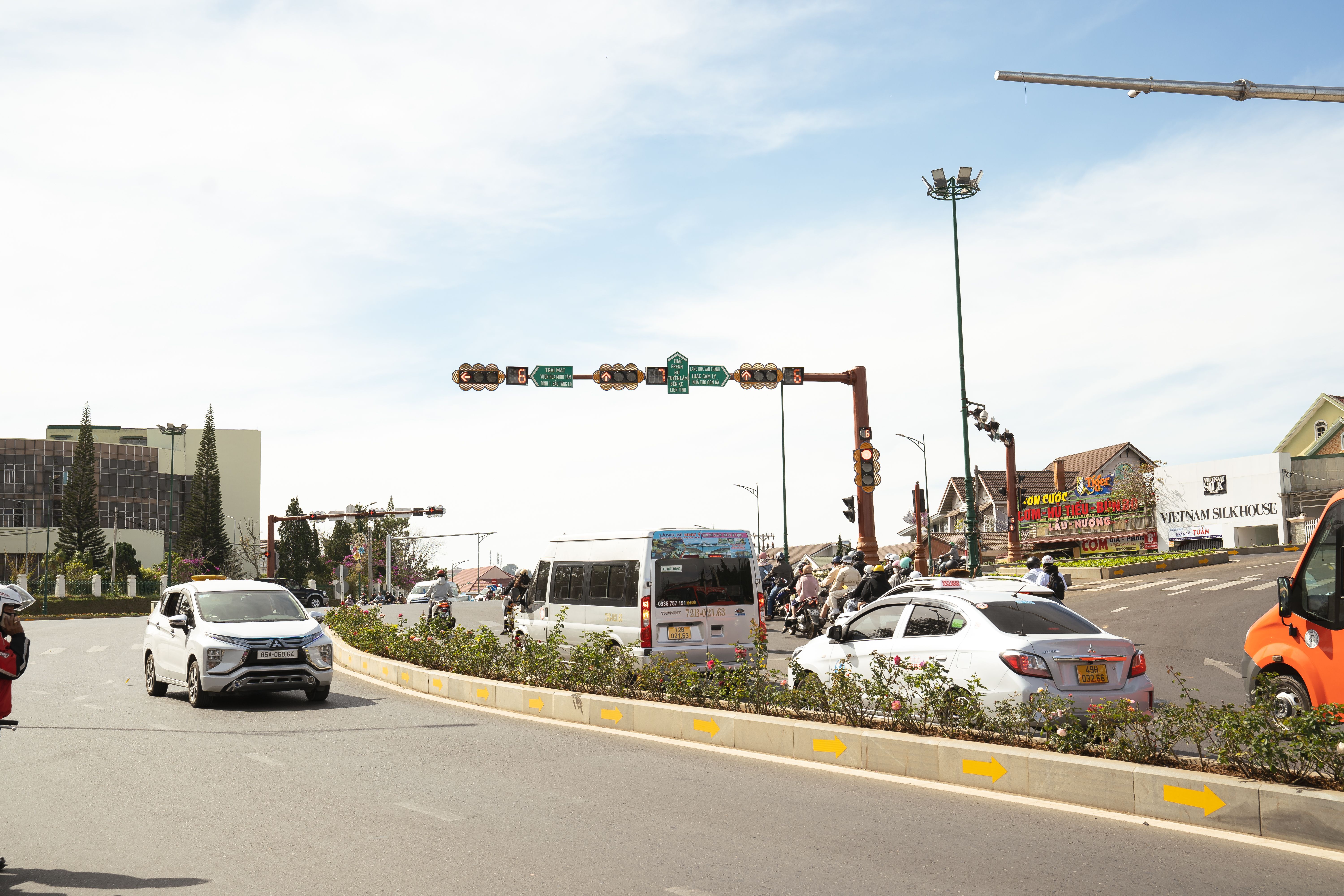
Highway Traffic Management is the cornerstone of modern road safety and transportation. It involves a comprehensive system of strategies, technologies, and practices aimed at ensuring the smooth flow of traffic, minimizing congestion, and most importantly, protecting the lives of all road users. At Sugam, we are dedicated to providing innovative solutions that make highways safer, more efficient, and more reliable.
Highways are monitored through advanced camera systems, sensors, and other technologies. Real-time data on traffic conditions is collected and analyzed to identify bottlenecks, accidents, and congestion.
Clear and well-maintained road signage, including electronic message boards and traffic lights, convey essential information to drivers, guiding them safely through complex road networks.
Dynamic speed limit signs are used to manage traffic flow and adapt to changing conditions, such as congestion, weather, or accidents, ensuring safer driving speeds.
Rapid response teams and protocols are in place to address accidents, breakdowns, and other incidents quickly and efficiently, minimizing disruption and improving safety.
Control centers equipped with advanced technology coordinate traffic management efforts, allowing for real-time adjustments to traffic signals, lane closures, and diversions.
Supporting safe infrastructure through a comprehensive range of traffic management and urban beautification solutions.